Global and local events, like the conflict in the Middle East may impact your travel insurance cover. Find out more.
Global and local events, like the conflict in the Middle East may impact your travel insurance cover. Find out more.


Picture this: you're sipping a cup of freshly brewed Ethiopian coffee and eating a warm plate of firfir – shredded injera soaked in a spicy berbere-infused stew – while birds sing from acacia trees.
From breakfast until bedtime, Ethiopia is a feast for the senses steeped in ancient history and unique culture.
Here are some reasons it deserves a visit on your next vacation.
Ethiopia's natural beauty is diverse and dramatic.
The Danakil Depression, one of the hottest places on earth, is a surreal, otherworldly landscape of neon-colored mineral deposits, salt flats and lava lakes.
Simien Mountains National Park offers a striking contrast, with jagged peaks, steep valleys, and an array of unique wildlife.
There's also the mystical Lake Tana, source of the Blue Nile, which boasts scenic islands and ancient monasteries.
For outdoor enthusiasts and nature lovers, Ethiopia's landscapes are as varied as they are awe-inspiring.

When it comes to human origins, Ethiopia (as well as the broader East African region) stands proudly as the "cradle of humanity" due to its rich contributions to the story of human origins.
In 1974, archaeologists found Lucy, the 3.2 million-year-old remains of a hominid species known as Australopithecus afarensis.
Lucy is one of the oldest and probably the most famous early human fossils, thought by many to be the first of the human family.
She was one of a number of evidence pointing to humans' origins in Africa, underscoring the ancientness of the land of Ethiopia and its cultural mosaic.
Nowadays, you can even visit Lucy at the National Museum in Addis Ababa to learn more about humanity's fascinating roots in this country.
Ethiopia's spiritual history is profound. Ethiopian Orthodox Christianity dates back to the 4th century, and the rock-hewn churches of Lalibela are a UNESCO World Heritage site that reflect this early Christian heritage.
Islam also holds a special place in Ethiopia, having arrived in the 7th century.
This unique religious harmony has fostered architectural wonders, festivals and traditions that form an integral part of Ethiopian society today.
Whether visiting the ancient city of Aksum, the rock churches of Tigray, or the Islamic holy city of Harar, you'll find Ethiopia's sacred sites speak volumes about its rich spiritual fabric.

African people's resistance against what is known as the "scramble for Africa" – which saw European powers carve up the continent for themselves with zero regard for the people living there or pre-existing borders – was and remains formidable.
Up against unfathomable military power and technology, not to mention foreign disease, communities were forced into slavery and systems.
Recovering and rebuilding has been extremely challenging, particularly given how many colonial practices still exist.
Ethiopia was in a unique position where a number of factors made its resistance successful, even after being occupied by Italy for a number of years.
This history of maintaining sovereignty has allowed its cultures, languages and traditions to thrive without external interruption.
As visitors, we are lucky to visit and learn from such a place.
Rastafarianism originated in Jamaica, and today, the movement has a global presence. Ethiopia is rightly seen as a land of pride and resistance, and is central to the Rastafari movement's global and historical connection with African diaspora.
Rooted in a Pan-African vision and reverence for Emperor Haile Selassie I, the movement identifies Ethiopia as Zion, a sacred land embodying freedom from slavery, colonialism and racial oppression.
In Rastafari, the journey from Babylon to Zion is both literal (returning to Africa) and spiritual (liberating oneself from oppressive systems).
Communities like Shashamane, established on land granted by Selassie, reflect this vision of return.
This underscores Ethiopia's role as a symbol of anti-colonial struggle, spiritual resilience and hope.
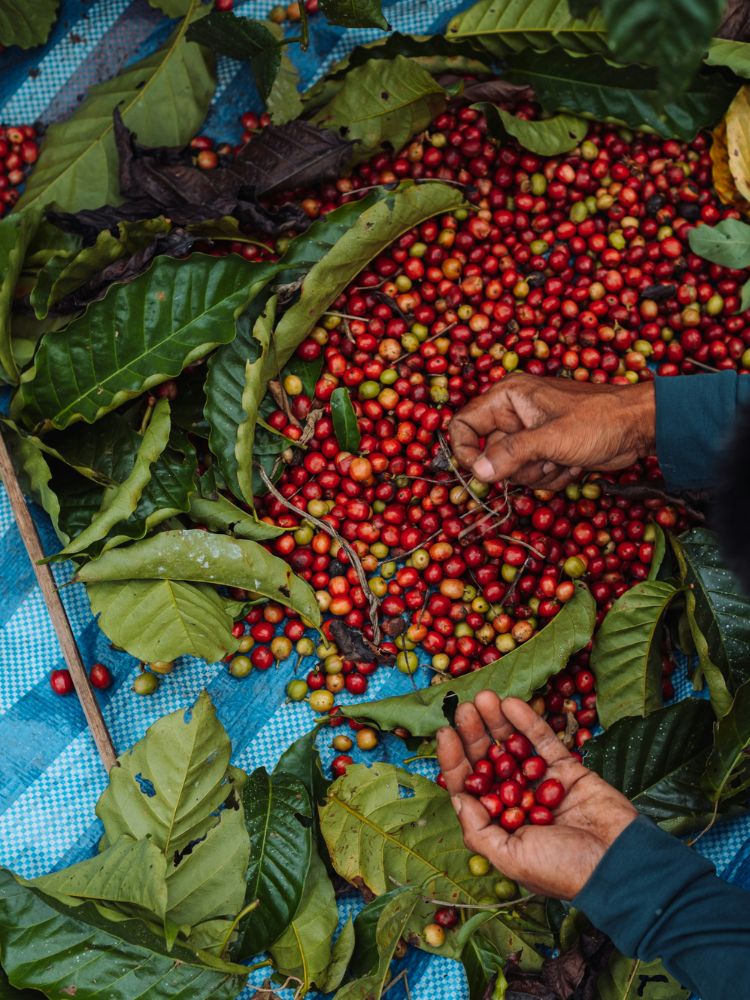
For coffee lovers, Ethiopia is a pilgrimage. The world's favorite caffeinated beverage was first discovered here in the lush highlands of the Kaffa region. Even now, Ethiopia is the only place where wild Arabica coffee can be found.
Beyond its origins, Ethiopia's coffee culture is entirely unique. A traditional Ethiopian coffee ceremony is a must-try experience, involving a ritualistic preparation and serving process that can last hours.
Fresh green coffee beans are roasted, ground, and brewed in a jebena, a traditional pot, then served in small cups.
The ceremony is as much a social event as it is a delight for the senses, emphasising hospitality, community and the deep connection Ethiopians have to coffee.
Ethiopian cuisine is as unique as it is flavorful, with injera – a soft and tangy flatbread – forming the base of many meals. This staple is made from teff, an ancient grain packed with nutrients and unique to Ethiopia, which happens to be gluten-free.
Traditional dishes include doro wat, a spicy chicken stew, and shiro, a savoury chickpea dish.
With Ethiopians having many religious fasting days, you'll find a plethora of vegetarian and vegan friendly options too.
Ethiopian meals are meant to be shared, often with family and friends gathered around a large platter, and eaten communally with your hands. The flavours are bold, spicy, and unlike anything else you'll find in Africa.

Ethiopia has long held a prominent global presence, representing African sovereignty. As one of few African nations to retain its independence during colonial rule, it played a key role in founding the Organization of African Unity (OAU), now the African Union (AU), in Addis Ababa.
Ethiopia was also one of the 51 original member states of the United Nations when it was established in 1945.
Haile Selassie, a revered figure in Ethiopian history, is celebrated for his leadership in defending Ethiopia's sovereignty against foreign invasion and his advocacy for African unity.
Though his later years faced criticism, Haile Selassie's legacy endures as a powerful symbol of dignity, resistance and Pan-African unity, continuing to inspire pride and admiration.
This list is by no means comprehensive. Ethiopia is bound to be unlike any country you have visited – and not an easy one to forget! Make sure you have the right travel insurance before you go.
Hero image 📸 Lan Yao